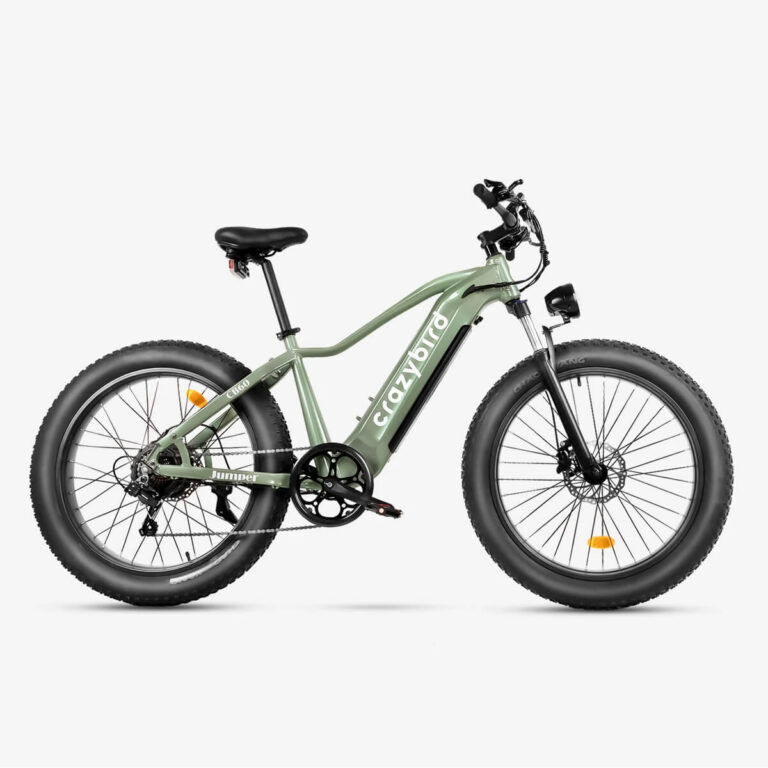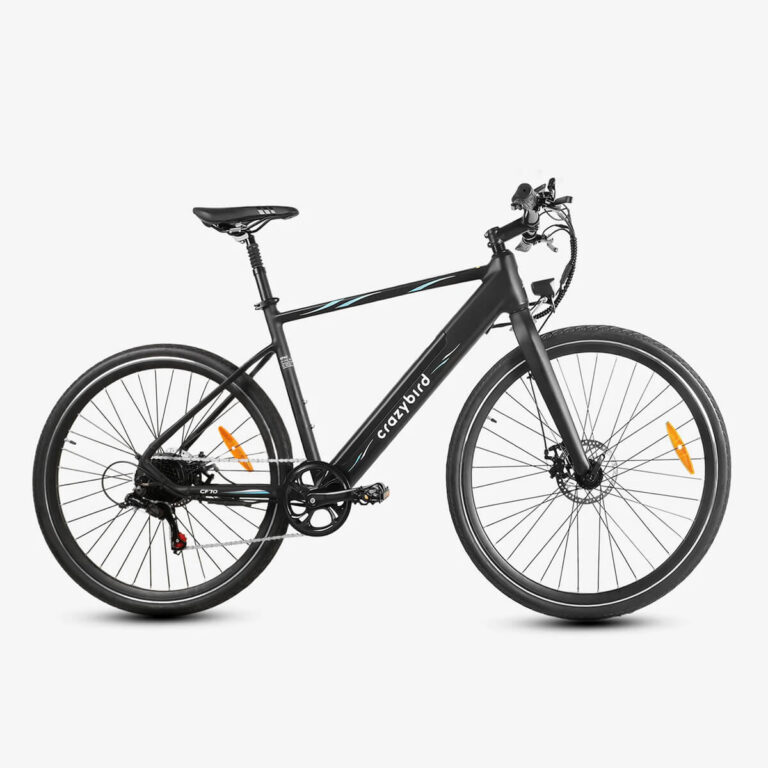

Electric vs. mechanical: which suits your commute?
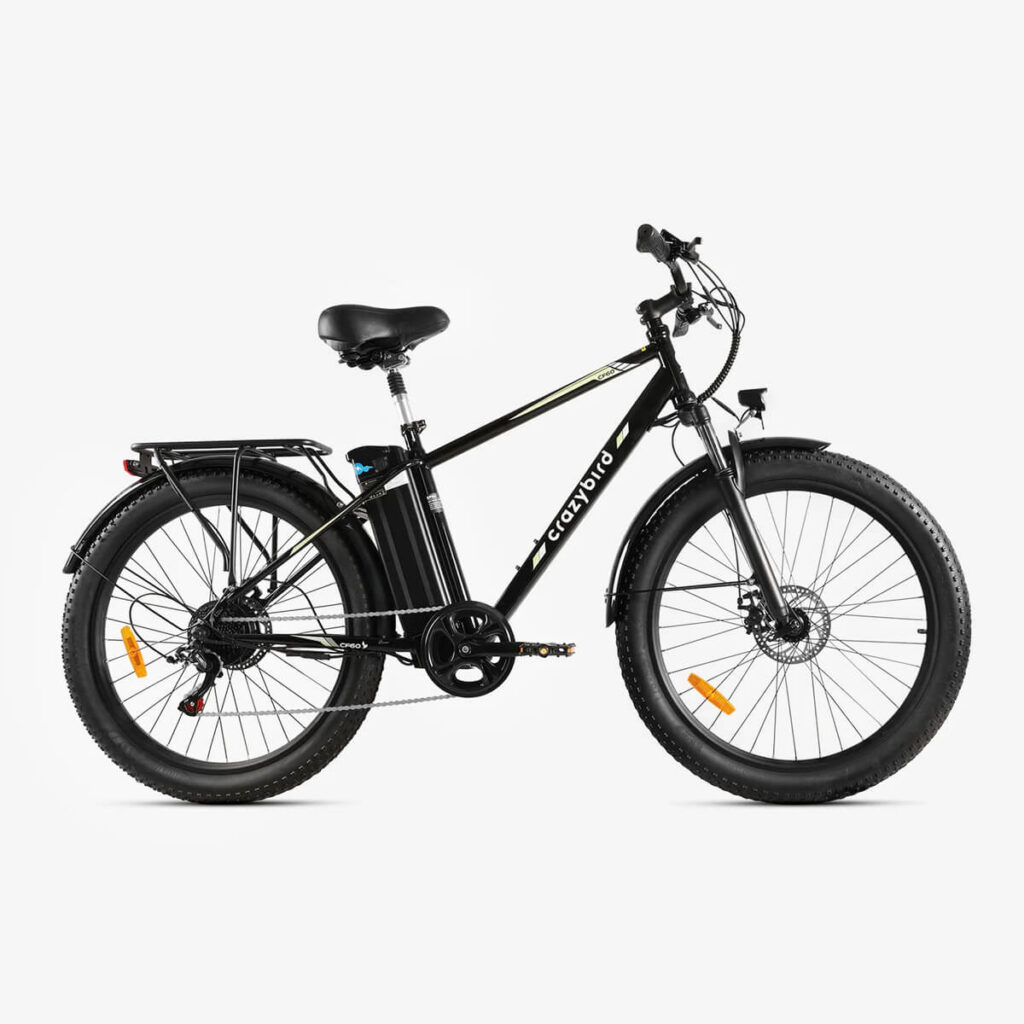
A practical way to decide, based on hills, distance and how much you want to arrive sweat-free.
Start with your actual week
The best commuter is the bike you want to use on an ordinary Tuesday. Write down your route length, the climbs you meet, what you carry and where the bike will be stored. Those details make a more useful starting point than a list of features. Both conventional and electric bikes can be excellent daily companions.
Where assistance helps
Pedal assistance adds support while you pedal. It can make hills and a loaded ride feel more manageable, and it gives you another way to control effort on the way to work. The tradeoffs include extra weight, charging and a battery that needs care. Range varies with terrain, rider input, load and conditions; a single advertised number is not a promise for your route.
The appeal of a simpler setup
A conventional bike offers a direct ride without a charging routine. If your trip is short, storage involves stairs or you enjoy supplying all the effort yourself, this may be a good fit. Think about gearing and carrying options as well as frame weight. Practical accessories can make a bigger daily difference than a small change in specifications.
Try both on the same route
A comparison is most useful when the route and load stay similar. Test your typical start, a climb and a stop-and-go section. Check how each bike feels while walking it into storage too. Ask our team about the model-specific setup and servicing requirements before you decide.